

This chicken curry with coconut milk is the kind of dinner that makes a busy weeknight feel cozy. Tender pieces of chicken thigh simmer in a creamy, golden sauce flavored with onion, garlic, ginger and warm spices. It is mild enough for the whole family, cooks in one pan, and is on the table in about 45 minutes.
You do not need a long list of specialty spices or any special equipment. A good curry powder, a can of coconut milk and a few fresh aromatics do most of the work. This guide covers every step, how to adjust the heat, and how to make the sauce as rich or as light as you like.
Table of Contents
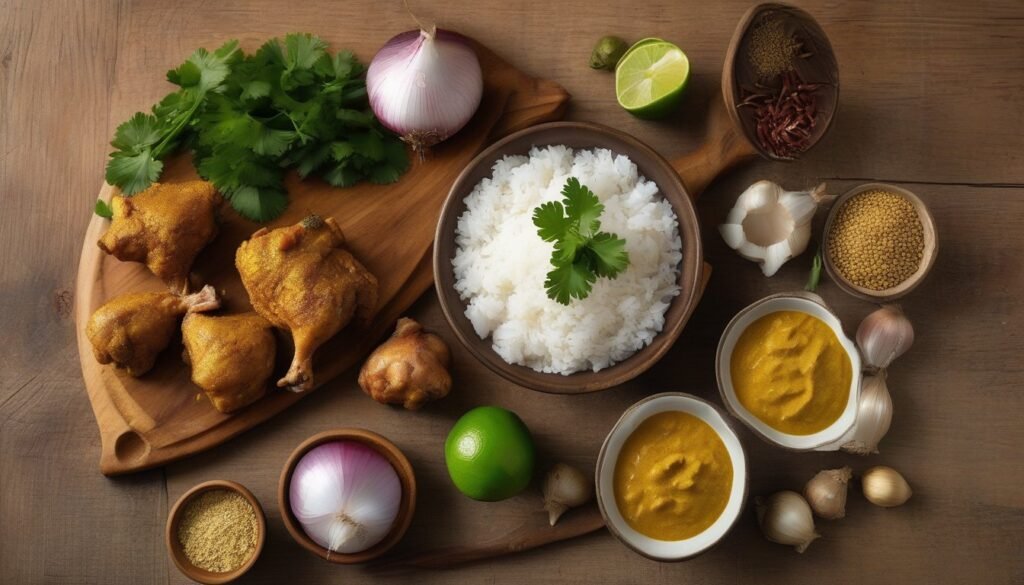
Why This Chicken Curry Works
The secret to a great homemade curry is building flavor in layers. First, the onion cooks slowly until it is sweet and golden. Next, the garlic, ginger and spices are fried briefly in the oil, which releases their aromas and removes any raw, dusty taste. Finally, the chicken simmers gently in the coconut milk, soaking up all of that flavor.
Coconut milk is what makes this chicken curry so creamy. It brings richness and a gentle natural sweetness that balances the spices and softens any heat. Unlike dairy cream, it can simmer for a long time without splitting, which makes it ideal for curries.
Using chicken thighs rather than breasts is another key choice. Thighs have a little more fat, so they stay juicy and tender even after simmering in the sauce for 20 minutes.
Ingredients for Chicken Curry With Coconut Milk
- Chicken thighs: boneless and skinless, cut into bite-size pieces about 1 1/2 inches (4 cm) across.
- Onion: a large yellow onion, chopped finely so it melts into the sauce.
- Garlic and ginger: freshly grated is best. Jarred garlic and ginger paste are fine on a busy night.
- Curry powder: a blend of spices such as turmeric, coriander, cumin and chili. Mild curry powder keeps the dish family-friendly.
- Ground cumin: adds an earthy, warm depth that lifts the curry powder.
- Tomato paste: just a tablespoon adds a subtle savory richness and color.
- Coconut milk: full-fat canned coconut milk gives the creamiest sauce.
- Chicken stock: loosens the sauce and adds savory flavor.
- Lime juice and cilantro: stirred in at the end to brighten the whole dish.
Choosing the Right Coconut Milk
Not every can of coconut milk is the same, and the type you choose affects the texture of the sauce.
Full-Fat Canned Coconut Milk
This is the best choice for a rich, creamy chicken curry. It contains around 17 to 24 percent fat and thickens nicely as it simmers. Shake the can well before opening, because the cream often separates and rises to the top.
Light Coconut Milk
Light coconut milk is coconut milk with added water. It works, but the sauce will be thinner. Simmer it a little longer with the lid off, or stir in a teaspoon of cornstarch mixed with water to thicken it.
Coconut Cream and Carton Coconut Milk
Coconut cream is very thick and rich. Use half a can of coconut cream with half a can of water in place of coconut milk. Carton coconut milk, sold as a dairy-free drink, is far too thin for curry and is best avoided.
A Quick Guide to Curry Powder
Curry powder is a ready-made spice blend that was developed in Britain to capture the flavors of Indian cooking in one jar. There is no single recipe, so brands taste quite different from each other. Most contain turmeric, coriander, cumin, fenugreek and chili, and some add ginger, cinnamon, mustard seed or black pepper.
Mild, medium and hot versions differ mainly in the amount of chili. Madras curry powder is a popular medium-hot blend with a deep red color. For this recipe, a mild or medium blend gives the best balance with the coconut milk.
Spices lose their strength over time. If your jar has been open for more than a year, smell it. Fresh curry powder is strongly fragrant, while old powder smells dusty and faint. Using fresh spices is one of the easiest ways to improve any curry.
Equipment You Need
A large, deep frying pan, a sauté pan or a heavy-based saucepan is ideal. You need enough room to stir the chicken in a single, fairly even layer, and sides high enough to hold the sauce. A heavy base spreads the heat evenly, which helps the onion soften without burning and stops the spices from catching.
A wooden spoon or heatproof spatula, a sharp knife and a fine grater for the garlic and ginger cover everything else. An instant-read thermometer is a small investment that removes all doubt about whether chicken is cooked.
How to Make Chicken Curry With Coconut Milk
The full method is below, with tips for each stage.
1. Prepare Everything First
Curry cooks quickly once you start, so get everything ready beforehand. Chop the onion, grate the garlic and ginger, measure the spices and cut the chicken. Pat the chicken dry with paper towels and season it lightly with a pinch of salt.
2. Cook the Onion Until Golden
Heat the oil in a large, deep frying pan or a heavy saucepan over medium heat. Add the onion and cook for about 8 minutes, stirring often, until it is soft and light golden. Take your time here. Well-cooked onion gives the sauce a sweet, rounded base and a thicker body.
3. Bloom the Spices
Add the garlic, ginger, curry powder, cumin and tomato paste. Stir constantly for about 1 minute. The spices will darken slightly and smell wonderful. This step, called blooming, releases the flavor compounds in the spices into the oil.
If the mixture starts to stick or catch, add a splash of water. Burnt spices taste bitter, so keep the heat at medium and keep stirring.
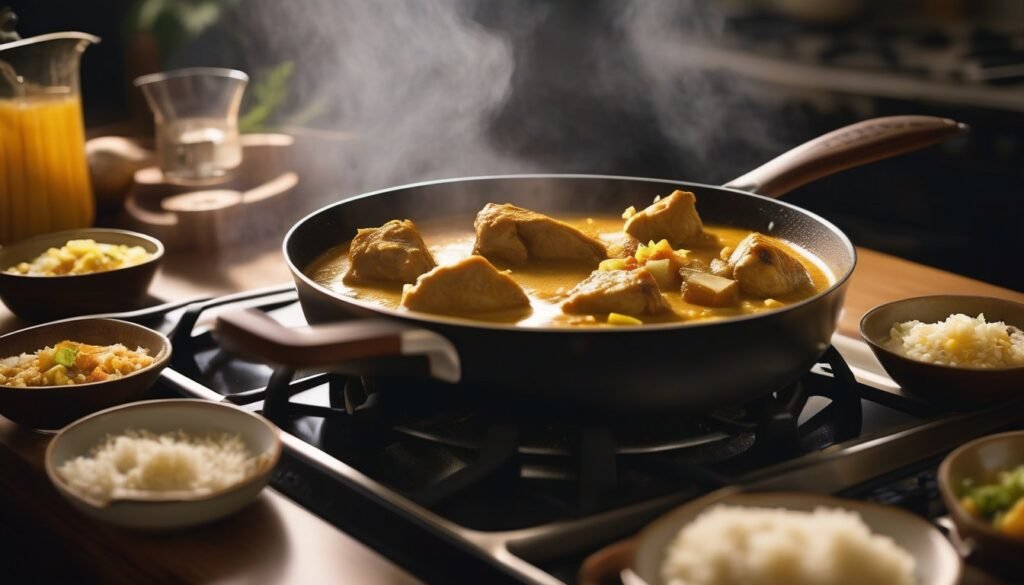
4. Coat the Chicken
Add the chicken pieces and stir for about 3 minutes, until they are coated in the spice paste and no longer pink on the outside. You are not trying to brown the chicken here, just seal the outside and let it pick up the flavors.
5. Add the Coconut Milk and Simmer
Pour in the coconut milk and stock, then add the salt. Stir well, scraping up any spices stuck to the bottom of the pan. Bring the sauce to a gentle simmer, then reduce the heat to low.
Let the curry simmer uncovered for 15 to 20 minutes, stirring occasionally. The sauce will thicken and turn glossy, and the chicken will become tender. Avoid a hard boil, which can make the chicken tough and cause the coconut milk to look oily.
6. Check the Chicken Is Cooked
Cut the largest piece of chicken in half. It should be white all the way through with clear juices. For complete accuracy, an instant-read thermometer should show 165°F (74°C) in the thickest piece. The UK Food Standards Agency has a clear guide to cooking your food safely.
7. Finish and Serve
Take the pan off the heat and stir in the lime juice. Taste the sauce and add more salt or lime if needed. Scatter with fresh cilantro and serve hot.
How to Adjust the Spice Level
This recipe is mild, which makes it a good choice for children and anyone who does not enjoy a lot of heat. It is easy to adjust.
- Medium: use medium curry powder, or add 1/4 teaspoon of cayenne pepper with the spices.
- Hot: add 1 to 2 finely chopped fresh green or red chilies with the garlic and ginger.
- Extra mild: use only 1 1/2 tablespoons of curry powder and finish with a spoon of plain yogurt.
If you accidentally make it too spicy, stir in a little extra coconut milk, a spoon of yogurt or a teaspoon of sugar. Serving it with plenty of rice also helps balance the heat.
Chicken Thighs or Chicken Breast?
Chicken thighs are the best choice for a curry. They are richer in flavor and much more forgiving, staying moist even if they simmer a few minutes too long.
Chicken breast also works if you prefer leaner meat. Cut it into slightly larger pieces and reduce the simmering time to 10 to 12 minutes, so it does not dry out. The NHS has useful information about meat in your diet, including choosing leaner cuts.
Easy Variations
- Add vegetables: stir in diced bell pepper, cauliflower florets or cubed sweet potato with the coconut milk.
- Add greens: fold in two handfuls of baby spinach just before serving until wilted.
- Thai-inspired: swap the curry powder for 2 to 3 tablespoons of Thai red or green curry paste and finish with fish sauce.
- Chickpea curry: replace the chicken with two cans of drained chickpeas for a vegetarian version.
- Shrimp curry: use raw shrimp in place of chicken and simmer for just 3 to 4 minutes.
- Tomato-rich: add a 14 ounce (400 g) can of chopped tomatoes with the coconut milk for a tangier sauce.
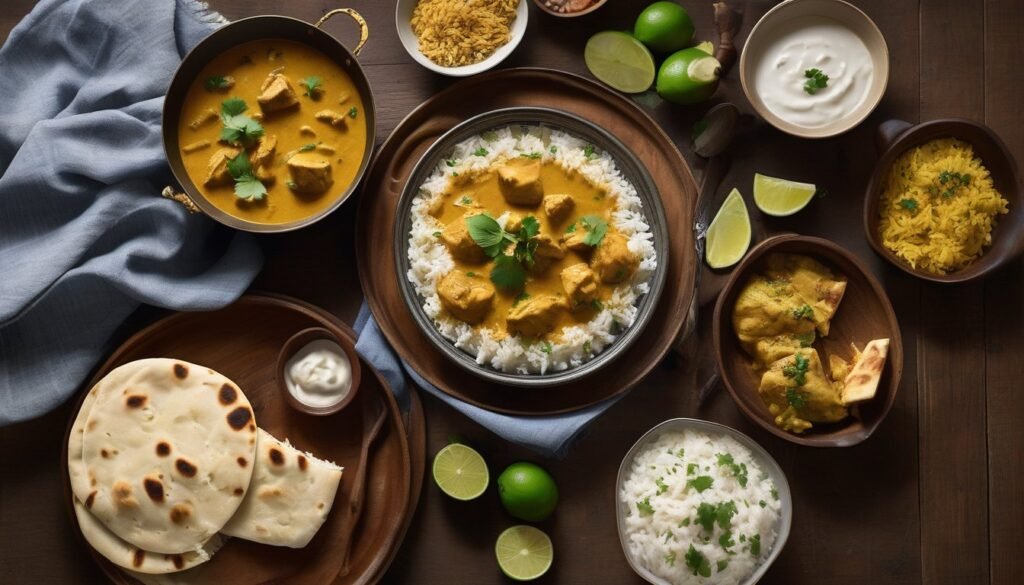
What to Serve With Chicken Curry
Fluffy basmati rice is the classic partner and soaks up the creamy sauce perfectly. Jasmine rice, brown rice or cauliflower rice are all good options.
Warm naan, roti or flatbread is great for scooping up every last bit of sauce. For extra freshness, add a simple cucumber and yogurt raita, a crisp salad, or a side of colorful air fryer vegetables.
If you love easy chicken dinners, try our crispy air fryer chicken thighs next. For a comforting soup night, our tomato soup with canned tomatoes is another easy pantry favorite.
Common Mistakes to Avoid
- Rushing the onion: undercooked onion leaves the sauce thin and sharp. Give it the full 8 minutes.
- Burning the spices: keep the heat at medium and stir constantly when the spices go in.
- Boiling hard: a rolling boil can split the coconut milk and toughen the chicken.
- Skipping the acid: the lime juice at the end balances the richness. Without it, the curry can taste flat.
- Under-seasoning: coconut milk mutes salt, so taste and adjust before serving.
Make Ahead, Storing and Freezing
Like many curries, this one tastes even better the next day as the flavors meld. Cool the curry quickly, ideally within an hour, then refrigerate it in an airtight container for up to 3 days.
To freeze, cool the curry completely and freeze it in portions for up to 3 months. Thaw it overnight in the fridge. The sauce may look slightly separated after freezing, but a good stir while reheating brings it back together.
Reheat the curry gently in a pan over medium-low heat, stirring often, until it is steaming hot all the way through. Add a splash of water or stock if the sauce has thickened too much. Cook rice fresh when you can, and store and reheat any leftover rice with care, chilling it quickly and eating it within a day.
Meal Prep With Chicken Curry
This chicken curry is excellent for meal prep, because it reheats well and the flavor improves after a day in the fridge. Cook a double batch on Sunday and divide it between containers with rice and a handful of steamed green beans or broccoli for ready-made lunches.
To keep the rice from turning dry, store it in a separate compartment or container and sprinkle it with a few drops of water before reheating. Add fresh cilantro and a squeeze of lime just before eating, as fresh herbs lose their color and flavor in the fridge.
Is Chicken Curry With Coconut Milk Healthy?
This curry is a balanced, satisfying meal. Chicken provides plenty of protein, and the onion, garlic, ginger and spices add flavor without extra calories. Adding vegetables, such as spinach, peppers or cauliflower, increases the fiber and makes each portion more filling.
Coconut milk is rich in fat, most of it saturated. To lighten the dish, use light coconut milk, or replace a third of the coconut milk with extra stock. Serving the curry with brown rice or plenty of vegetables and a modest portion of rice also keeps the meal more balanced.
Chicken Curry FAQ
Can I make this chicken curry dairy-free?
Yes. This recipe is naturally dairy-free, because coconut milk replaces cream. Just check that your stock contains no milk ingredients.
Can I use bone-in chicken?
Yes. Brown bone-in thighs first, then simmer them in the sauce for 30 to 35 minutes, covered, until they reach 165°F (74°C).
Why is my curry sauce thin?
Light coconut milk or too much stock can make it runny. Simmer uncovered for a few more minutes, or stir in a teaspoon of cornstarch mixed with a tablespoon of cold water.
Can I make this curry in a slow cooker?
Yes. Cook the onion and bloom the spices in a pan first, because this builds the flavor. Transfer everything except the lime juice to the slow cooker and cook on low for 4 to 5 hours, or on high for 2 to 3 hours. Stir in the lime juice and cilantro just before serving. If the sauce is thin, leave the lid off for the last 30 minutes.
Is curry powder the same as garam masala?
No. Curry powder is a complete spice blend that usually includes turmeric, which gives the yellow color. Garam masala is a warm finishing blend. You can add 1/2 teaspoon of garam masala at the end for extra aroma.
This recipe was developed by Chef Crispy, the AI chef at Crispy Fork, and reviewed before publishing. Always check that chicken is fully cooked before serving.

Chicken Curry With Coconut Milk: Easy 1-Pan Dinner
Description
Tender chicken thighs simmered in a creamy, gently spiced coconut milk sauce in one pan.Ingredients
Instructions
-
Heat the oil in a large pan over medium heat. Cook the onion for 8 minutes until soft and golden.
-
Add the garlic, ginger, curry powder, cumin and tomato paste. Stir for 1 minute.
-
Add the chicken and stir for 3 minutes to coat it in the spices.
-
Pour in the coconut milk and stock, add the salt and bring to a gentle simmer.
-
Simmer uncovered for 15 to 20 minutes until the chicken is cooked and the sauce thickens.
-
Stir in the lime juice and serve.
Note
Chicken is cooked when it reaches 165°F (74°C) in the thickest piece. The curry keeps for 3 days in the fridge.
